
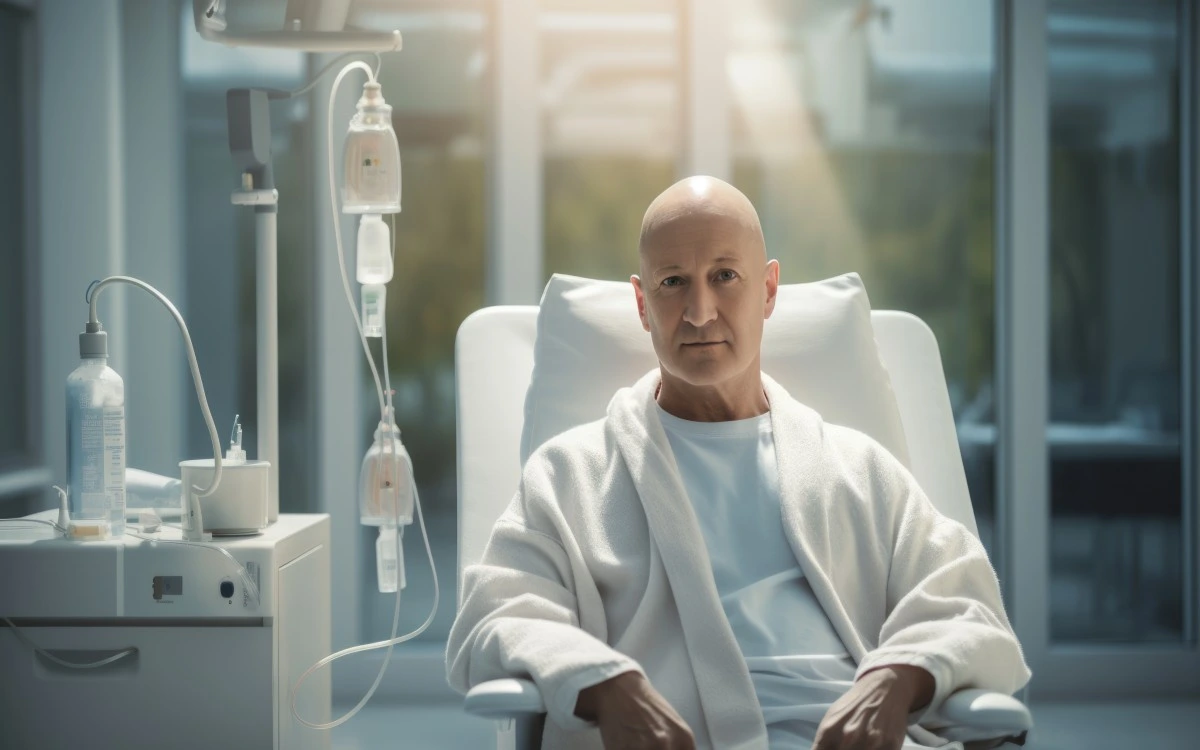
What is a non-chemo infusion? is a common question patients ask when their doctor recommends IV treatment but clarifies that it is not chemotherapy.
Infusion therapy can feel confusing at first, especially for individuals living with chronic illnesses who are exploring new treatment options.
In simple terms, not all infusions are related to cancer care. Many therapies delivered through an intravenous (IV) line are designed to support the immune system, reduce inflammation, or treat chronic medical conditions that cannot be effectively managed with oral medications.
In this article, you’ll learn what a non-chemo infusion is, how infusion therapy works, the conditions it treats and what to expect during treatment.
We’ll also explain how specialized clinics like Clinivoy Infusion Care Centers provide personalized, physician-supervised infusion services in a comfortable outpatient setting.
Keep reading to learn more.
What Is a Non-Chemo Infusion?
Understanding what is a non chemo infusion starts with recognizing that not all intravenous treatments are related to cancer care. In modern healthcare, many infusion therapies are designed to manage chronic conditions, regulate the immune system and improve long-term health outcomes. At Clinivoy, these treatments are delivered under physician supervision in a controlled, outpatient infusion center where safety, precision and patient comfort are prioritized at every step.
A non-chemo infusion is a safe, physician-supervised IV treatment used to manage chronic and immune-related conditions, not cancer. These therapies help improve symptoms, support the immune system and enhance long-term quality of life when oral medications are not enough.
Definition of a Non-Chemo Infusion
A non-chemo infusion is a medical treatment in which medications, fluids, or nutrients are delivered directly into the bloodstream through an IV line. These medications are not chemotherapy and are not intended to treat cancer.
Instead, they are commonly used to manage autoimmune diseases, immune disorders, chronic infections, neurological conditions and inflammatory illnesses.
How Intravenous (IV) Treatment Works
Medication is delivered slowly into the bloodstream using a controlled pump system. This method ensures accurate dosing and consistent delivery.
Because the medication bypasses the digestive system, it is absorbed more effectively than many oral medications.
Role of Infusion Nurses and Healthcare Professionals
Infusion therapy at Clinivoy is delivered by specially trained infusion nurses and healthcare professionals working under physician-led protocols. Each session follows strict clinical guidelines to ensure accurate dosing, patient safety and continuous monitoring. This structured, medically supervised approach reduces risks, improves treatment effectiveness and ensures patients receive high-quality care throughout every infusion session.
Their responsibilities include:
- Administering medication safely
- Monitoring vital signs
- Identifying potential side effects
- Ensuring patient comfort during treatment
How Infusions Are Administered
Most non-chemo infusions take place in a specialty infusion clinic or outpatient center rather than a hospital.
These environments are designed to be calm and patient-focused. At Clinivoy Infusion Care Centers, treatments are delivered in private rooms with comfortable recliners, Wi-Fi and television to help patients relax.
Duration of Treatment Sessions
The length of an infusion session depends on the medication prescribed. Some treatments take as little as 30 minutes, while others may last several hours.
Based on the physician’s recommendation, treatments may be scheduled weekly, monthly, or at other intervals depending on the patient’s condition.
Monitoring for Safety and Side Effects
During treatment, the medical team closely monitors patients for side effects or allergic reactions to ensure safety and effectiveness.
Conditions Treated With Non-Chemo Infusions
Non-chemo infusion therapy helps manage a wide range of chronic and immune-related conditions.
Autoimmune Disorders
These therapies are commonly used to treat:
- Rheumatoid arthritis
- Lupus
- Psoriatic arthritis
- Inflammatory bowel disease
They help regulate an overactive immune system.
Neurological Conditions
Infusion treatments may support patients with:
- Multiple sclerosis
- Myasthenia gravis
- Chronic migraines
These therapies can help reduce symptoms and improve daily functioning.
Immune System Disorders
Patients with immune deficiencies may require regular immunotherapy infusions to maintain proper immune function.
Chronic Illnesses
Some conditions require long-term infusion therapy when oral medications are no longer effective or well tolerated.
Patients Who Cannot Tolerate Oral Medications
Some individuals cannot properly absorb medications through the digestive system. In these cases, IV therapy provides a more reliable alternative.
It’s also important to note that some infusions may be administered in oncology clinics, even though the treatments themselves are not related to cancer (such as hydration or antibiotic infusions).
Types of Non-Chemo Infusion Treatments
Non-chemo infusion treatments include a range of medically supervised therapies designed to manage chronic conditions, regulate the immune system and improve patient outcomes without targeting cancer cells. These treatments are carefully selected based on each patient’s diagnosis, medical history, and response to previous therapies. At Clinivoy, all infusion treatments are delivered under physician-led protocols to ensure safety, accuracy, and effectiveness. By using controlled IV administration, these therapies provide reliable absorption and consistent results, especially for patients who require long-term or specialized care.
Biologic Medications
These treatments use medications derived from living cells to regulate immune responses. They are commonly used for autoimmune diseases.
Immune-Modulating Therapies
These therapies help stabilize the immune system and reduce inflammation.
IV Vitamins and Minerals
Used to treat nutrient deficiencies or support recovery from illness and dehydration.
Anti-Inflammatory Infusions
These treatments help control inflammation associated with chronic conditions.
Specialty Medications
Certain medications require controlled administration in a clinical setting to ensure safety and proper dosing.
What to Expect During Your Infusion Appointment
Understanding what to expect during your infusion appointment can help reduce anxiety and make the experience more comfortable. At Clinivoy, each step of the process is designed around patient safety, clear communication and personalized care. From scheduling to post-treatment follow-up, patients are guided by a trained infusion care team in a calm, outpatient setting. This structured approach ensures that every infusion session is efficient, well-monitored and tailored to the patient’s medical and emotional needs.
Scheduling Your Visit
Scheduling Your Infusion Visit: The clinic coordinates with your physician and insurance provider. Once approved, your appointment is scheduled.
Check-In Process
Upon arrival, patients check in and meet the care team. Medical history and treatment plans are reviewed.
IV Placement and Monitoring
An infusion nurse places the IV line and begins treatment. Vital signs are monitored throughout the session.
Comfort During Treatment
Clinivoy provides amenities such as:
- Reclining chairs
- Television and Wi-Fi
- Quiet, private treatment rooms
These features help patients feel comfortable and relaxed.
Aftercare Instructions
After treatment, patients receive guidance and scheduling for future sessions if needed.
Benefits of Non-Chemo Infusion Therapy
- Precise dosing: Accurate control of medication levels
- Faster absorption: Direct delivery into the bloodstream
- Improved symptom control: Especially when oral medications are ineffective
- Immune system support: Helps regulate immune response
- Better quality of life: Particularly for patients with chronic conditions
Possible Side Effects and Safety Considerations
Like any medical treatment, non-chemo infusion therapy may involve potential side effects, which vary depending on the medication and individual patient factors. However, when administered in a professional infusion center under physician supervision, these treatments are generally safe and well-tolerated. At Clinivoy, safety protocols, continuous monitoring and trained infusion nurses play a critical role in minimizing risks and managing any reactions promptly. Patients are always informed about possible effects, ensuring transparency and confidence throughout their treatment journey.
Common Side Effects
Most are mild and temporary, such as:
- Headache
- Fatigue
- Mild infusion reactions
Rare Allergic Reactions
Although uncommon, allergic reactions can occur. This is why infusions are performed in supervised medical settings.
Continuous Monitoring
Infusion nurses monitor patients throughout treatment to ensure safety.
Patients should always discuss risks, benefits and expectations with their healthcare provider. Results vary depending on the condition and treatment.
Who May Be a Candidate for Non-Chemo Infusion?
- Patients with chronic or autoimmune conditions
- Individuals needing medications not available in oral form
- Those requiring long-term therapy
- Patients who respond better to IV treatments than oral medications
Why Choose Clinivoy for Infusion Services
Choosing the right infusion provider is essential for both treatment success and overall patient experience. Clinivoy Infusion Care Centers focus on delivering physician-led, patient-centered infusion services in a safe and comfortable outpatient environment. Each treatment plan is personalized to meet the unique needs of the patient, with a strong emphasis on clinical accuracy, safety and compassionate care. From experienced healthcare professionals to coordinated support services, Clinivoy is committed to improving outcomes while ensuring patients feel supported at every stage of their care journey.
Experienced Clinical Team
Clinivoy employs skilled infusion nurses and trained healthcare professionals focused on safety and comfort.
Physician-Supervised Care
All treatments follow carefully developed protocols under physician oversight.
Comfortable Environment
Clinivoy offers a calm, outpatient setting designed to reduce stress compared to hospital environments.
Personalized Treatment Plans
Each patient receives a customized care plan tailored to their condition and physician recommendations.
Patient-Focused Approach
Clinivoy emphasizes compassionate care, clear communication and coordination with referring providers and insurance teams.
Understanding what is a non chemo infusion empowers patients to make informed, confident decisions about their treatment options. Unlike cancer treatments, these infusion therapies focus on managing chronic conditions, supporting the immune system and improving long-term quality of life. At Clinivoy, every infusion is delivered with a strong commitment to safety, physician-led care and personalized treatment planning, ensuring each patient receives accurate, reliable and compassionate care in a professional outpatient setting.
Unlike chemotherapy, these treatments are designed to manage chronic conditions, regulate the immune system and improve long-term health outcomes.
When delivered in a specialized infusion center, treatments are carefully monitored to ensure safety and comfort.
At Clinivoy Infusion Care Centers, patients receive personalized, physician-directed care in a supportive outpatient environment.
Schedule an Appointment with our care team today. Clinivoy Non-chemo infusion therapy designed around you.
What is a non-chemo infusion used for?
It is used to treat chronic diseases, autoimmune conditions, immune deficiencies, infections and other non-cancer conditions requiring IV therapy.
Is a non-chemo infusion safe?
Yes. When administered in a medical setting, it is closely monitored by trained professionals.
Does non-chemo infusion treat cancer?
No. These treatments are not designed to treat cancer.
How long does a non-chemo infusion take?
Sessions can range from 30 minutes to several hours, depending on the medication.
Are there side effects?
Most side effects are mild, such as fatigue or headache. Serious reactions are rare and patients are monitored closely.